Technical Insights
How to Identify Engine Parts Using OE Numbers
OE numbers are the most reliable way to communicate part identity across languages and markets. Here is how to find, verify and use them.
When a buyer and supplier speak different languages and use different catalogues, an OE (original equipment) number is the shared reference that keeps an order accurate. This guide explains what OE numbers are, where to find them and how to use them in an enquiry.
What is an OE number?
An OE number is the part number assigned by the vehicle or engine manufacturer. Aftermarket suppliers often cross-reference their own part numbers to one or more OE numbers. Related terms you will meet:
- OEM number — often used interchangeably with OE number
- Supersession — a newer OE number that replaces an older one
- Cross-reference — an aftermarket number linked to an OE number
- Engine code — identifies the engine family and variant, not a single part
Where to find OE numbers
On the part
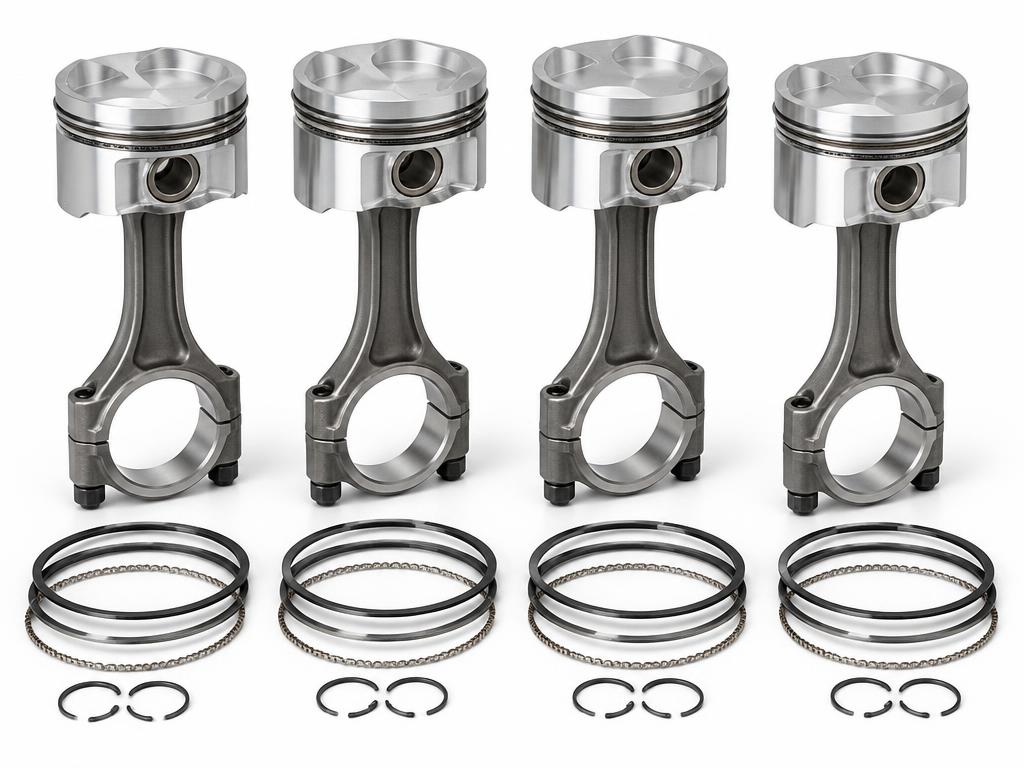
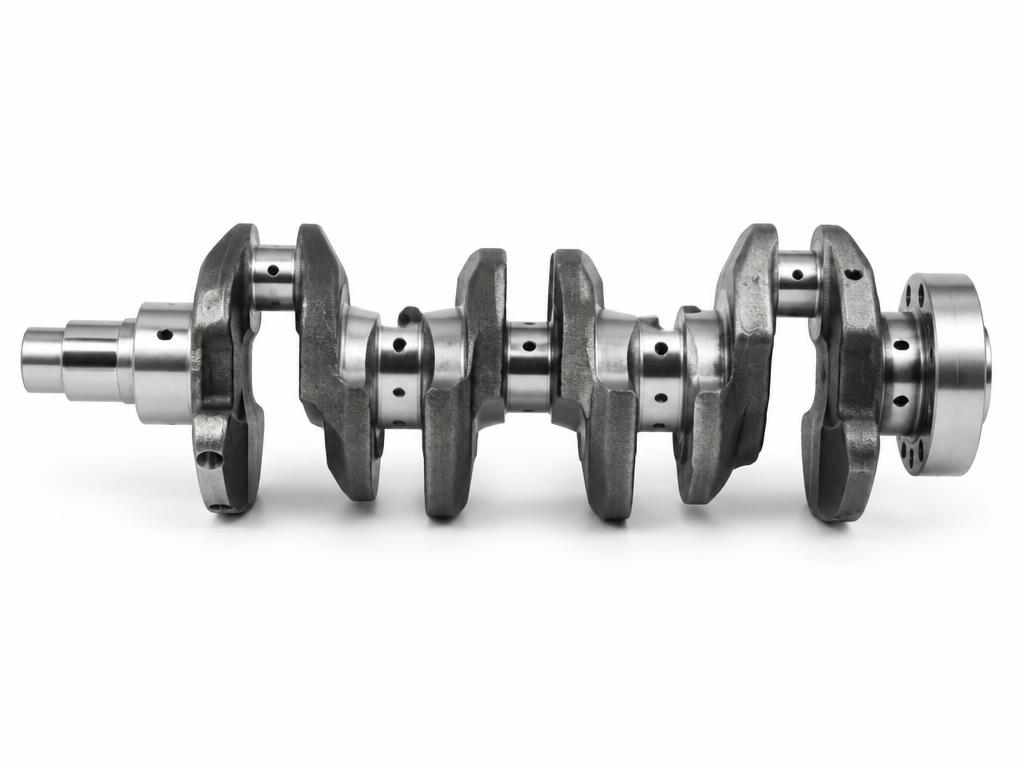
Many components carry a cast, stamped or laser-etched number. Pistons may show a number on the crown or skirt; crankshafts and camshafts often carry a forged number on a web; sensors carry a label.
On packaging or invoices
Original packaging and previous purchase invoices are reliable sources.
In parts catalogues
Electronic parts catalogues map the VIN or engine code to OE numbers. Use the VIN where possible, as it accounts for production changes.
OE number vs. engine code
| Identifier | What it identifies | Typical use |
|---|---|---|
| OE number | One specific part | Ordering a component |
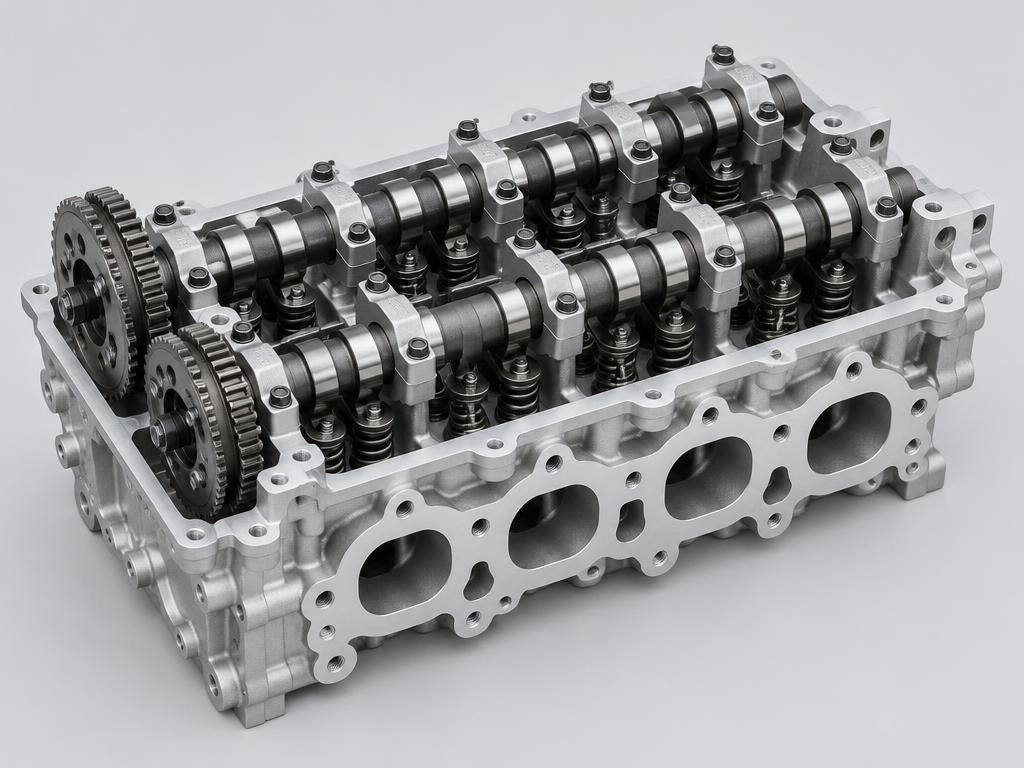
| Engine code | An engine family/variant | Narrowing compatible parts |
| VIN | One specific vehicle | Catalogue lookup |
| Casting number | A raw casting | Supporting evidence only |
A casting number alone is not reliable: one casting can be machined into several finished parts.
Verifying before you order
- Check whether the OE number has been superseded
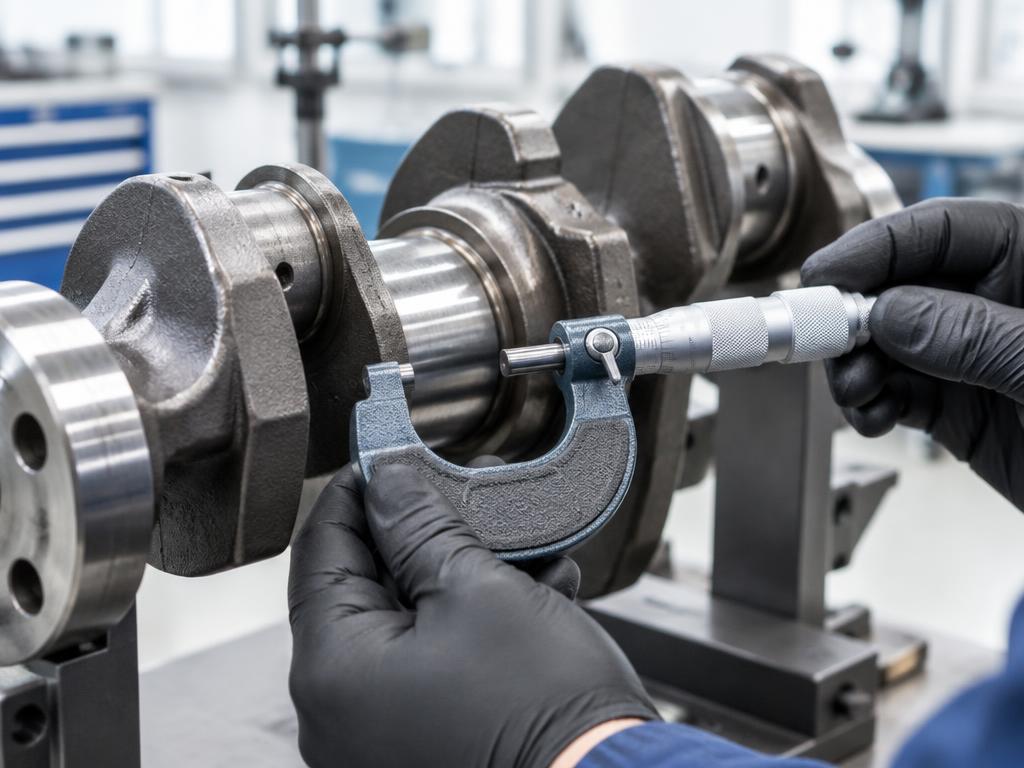
- Compare dimensions or photographs with the original part
- Confirm the engine code and production date range
- Ask the supplier to confirm the cross-reference in writing
Writing a clear enquiry
A good enquiry lists one line per item with OE number, description, engine code, quantity and photos. Avoid sending only vehicle names; "1.6 engine parts" can match dozens of variants.
FAQ
What if I do not have an OE number?
Send the engine code, vehicle details and clear photographs of the part and any markings. We will review whether identification is possible.
Are OE numbers published on your product pages?
Only where verified data exists. Otherwise product pages show "Contact us for specifications".
Can one OE number cover several vehicles?
Yes. Shared components are common across models using the same engine.
Have a list of OE numbers? Send your enquiry and our team will review sourcing options for each line.