Technical Insights
Automatic vs. Manual Transmission Components: A Buyer's Guide
How automatic and manual gearboxes differ at component level, and what that means when you source assemblies, hard parts and service kits.
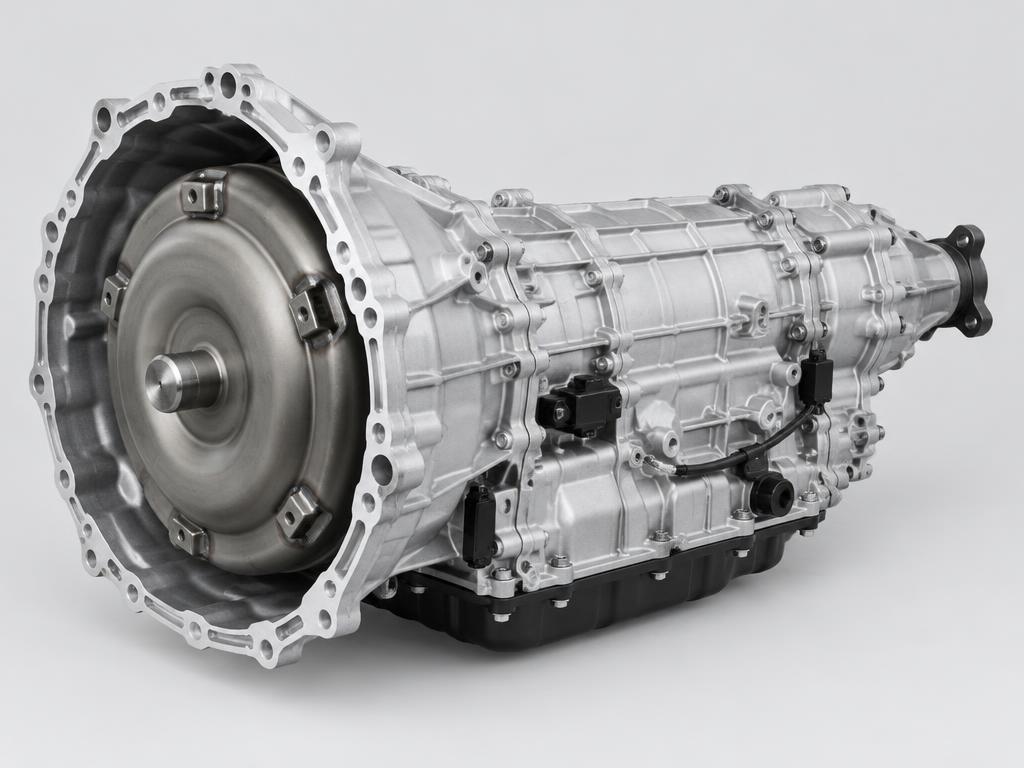
Automatic and manual transmissions do the same job — matching engine speed to road speed — but they are built from very different component families. For distributors and rebuilders, understanding those differences makes enquiries clearer and reduces the risk of ordering the wrong part.
How the two designs work
A manual transmission uses constant-mesh gear pairs on an input shaft, countershaft and output shaft. The driver selects a ratio through a shift mechanism, and synchronizers match shaft speeds before a gear engages. Torque is interrupted by a dry clutch between the engine flywheel and the gearbox.
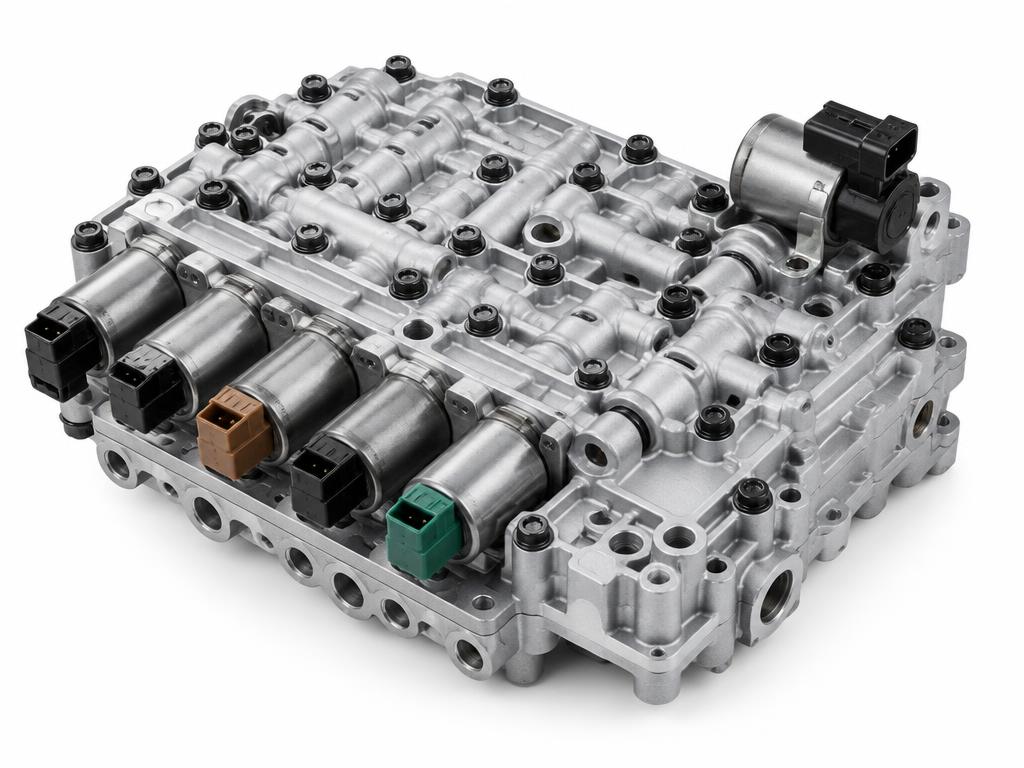
A conventional automatic transmission typically uses planetary gear sets, multi-plate clutches and bands, controlled hydraulically by a valve body and electronically by solenoids and a control unit. A torque converter replaces the dry clutch as the fluid coupling between engine and gearbox.
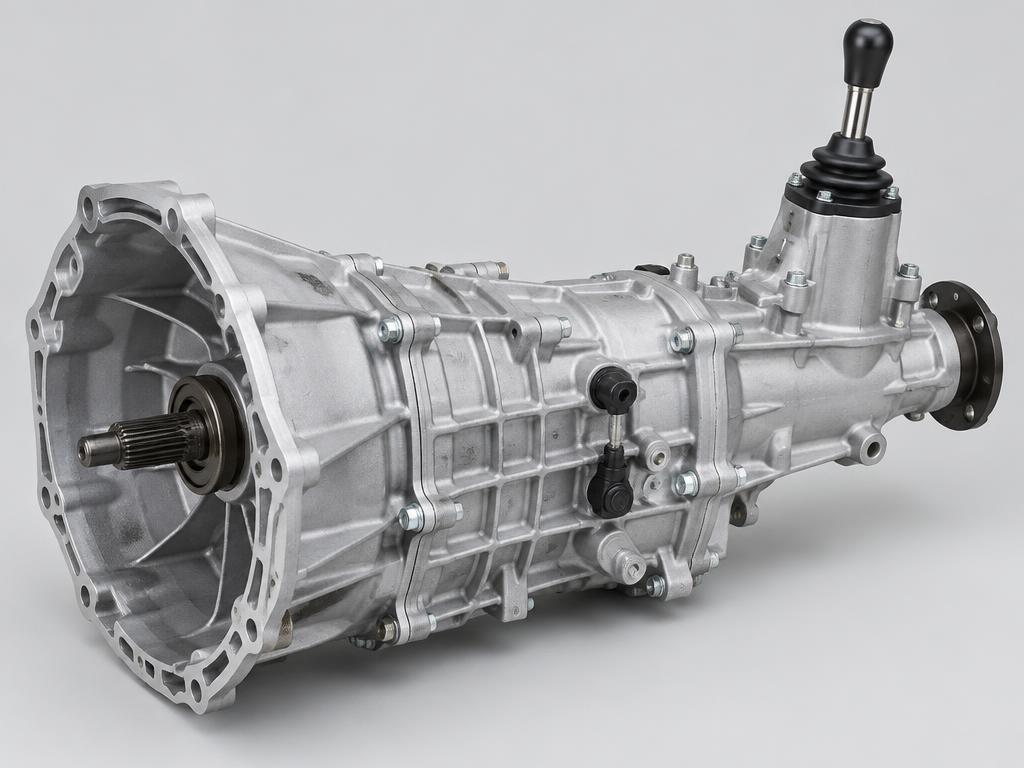
Component comparison
| Function | Manual transmission | Automatic transmission |
|---|---|---|
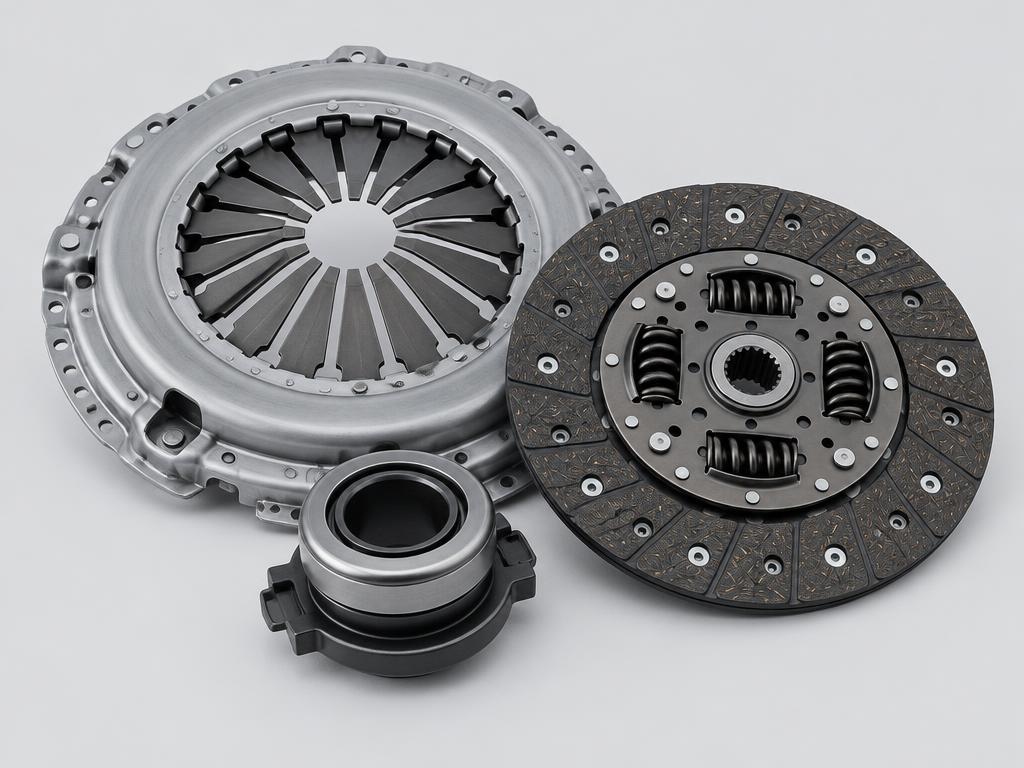
| Engine coupling | Clutch kit, flywheel or dual-mass flywheel | Torque converter, flexplate |
| Ratio selection | Gear sets, synchronizers, shift forks | Planetary sets, clutch packs, bands |
| Control | Mechanical shift linkage | Valve body, solenoids, control module |
| Common wear items | Clutch disc, release bearing, synchro rings, bearings | Friction plates, seals, filters, solenoids |
| Fluid | Gear oil (specification varies) | ATF (specification varies) |
Manual transmission parts most often requested
- Complete manual gearbox assemblies
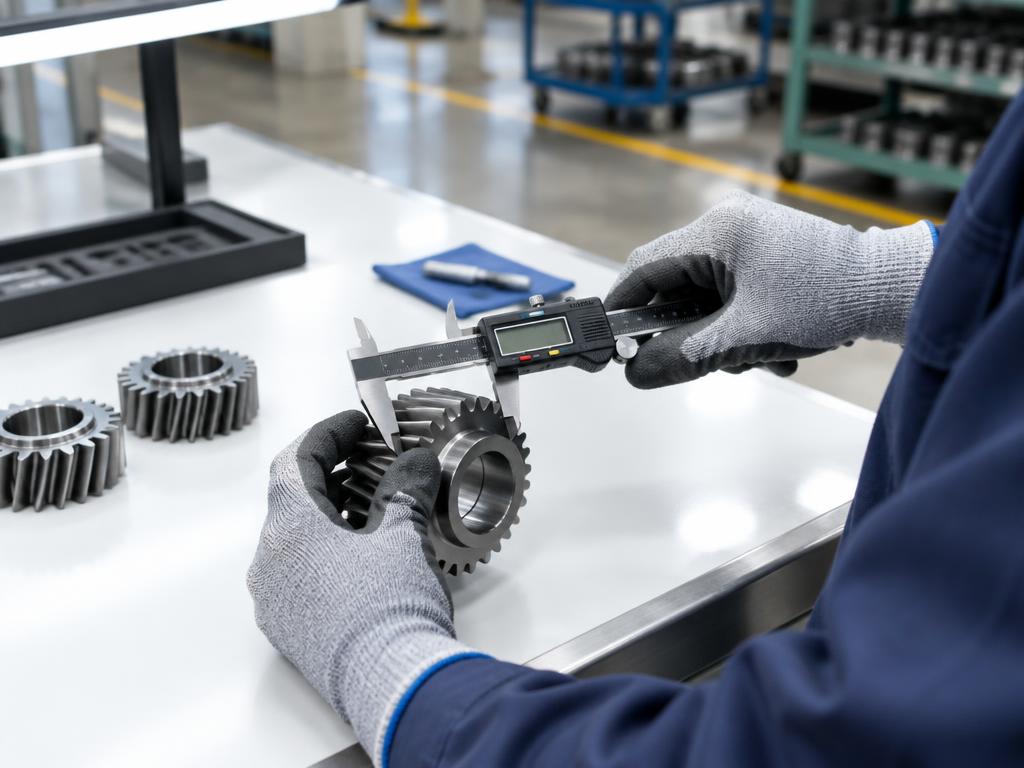
- Gear sets and individual transmission gears
- Synchronizer rings, hubs and sleeves
- Input and output shafts with bearings
- Shift forks, rails and shift mechanisms
Automatic transmission parts most often requested
- Complete automatic transmission assemblies
- Valve bodies and solenoid packs
- Torque converters
- Filters, pans, seals and gasket kits
- Speed and pressure sensors
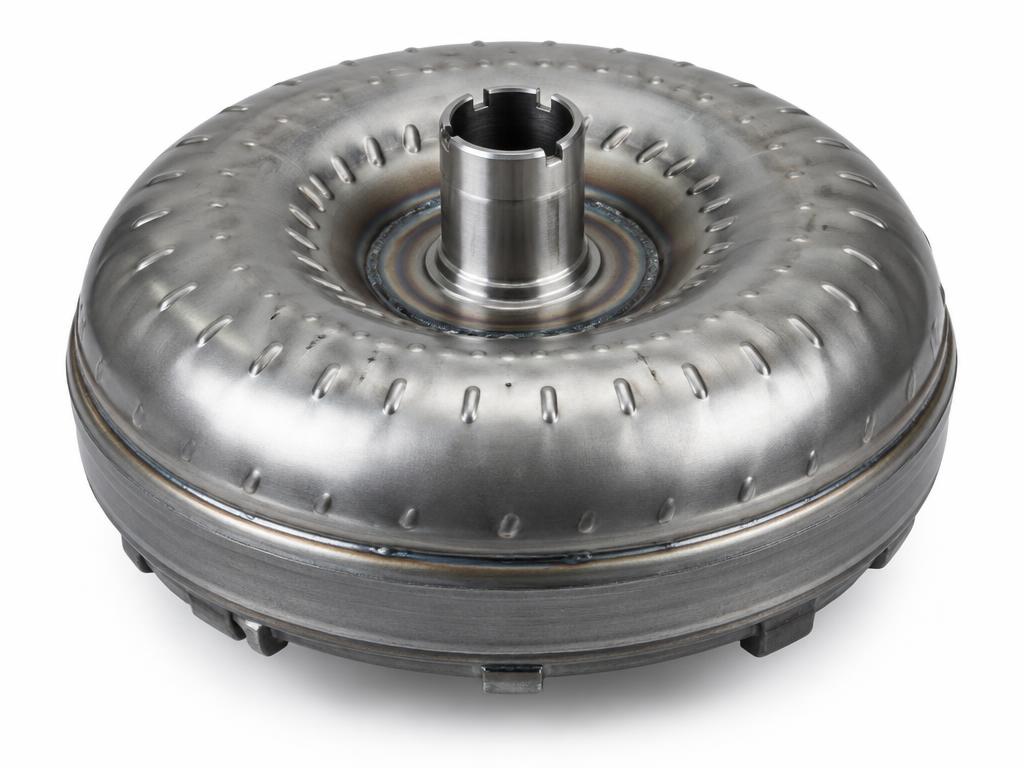
What to include in a sourcing enquiry
Because transmission families are produced in many variants, the transmission code is usually the most useful single identifier. Include:
- Transmission code stamped on the housing or ID plate
- OE part number if the part is a sub-component
- Vehicle model, year and engine for context
- Photographs of the ID plate and the part itself
- Required quantity and preferred packaging
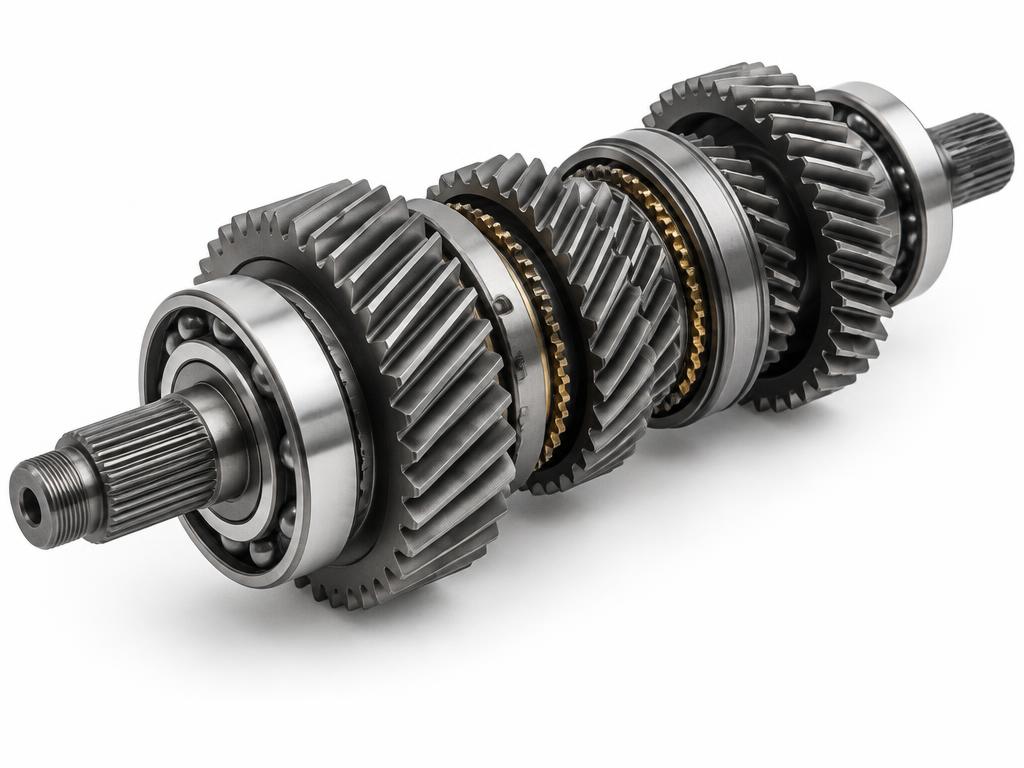
Assembly or components?
Complete assemblies reduce installation time and are often preferred by fleet workshops. Component supply suits rebuilders who already hold cores and need specific hard parts. Many distributors stock both: assemblies for fast-moving applications, and components for rebuild customers.
FAQ
Can a manual gearbox part fit an automatic of the same vehicle?
Generally no. Internals, housings and couplings are different. Always reference the specific transmission code.
Is the transmission code enough to identify a part?
It is the best starting point, but sub-variants exist. An OE number or a photograph of the original part reduces errors.
Do you supply dual-mass flywheels for manual transmissions?
Dual-mass flywheels are part of our clutch and flywheel systems category. Send your OE reference for availability.
Need automatic or manual transmission parts? Request a quote with your transmission code or OE number and our team will review available sourcing options.